The Health Benefits of Whole Grain Bread

Whole Grain, Stone Ground, Organic Bread: It’s Good For You!

 If you’ve been reading my blog, you already know that I’m a big proponent of including grains in our daily diet. Not just any grains, though. Grains that are healthful for us are organic, whole grains, enjoyed either in their whole form or as freshly milled flour.

Despite the current dietary fad of shunning all grains, a growing body of evidence shows that increased intake of less-refined, whole-grain foods has numerous positive health benefits. People who consume greater amounts of whole grains are consistently shown to have a lower risk of developing cardiovascular disease, type 2-diabetes, and many cancers. People who eat whole grains also appear to have better digestive health and are likely to have a lower BMI and gain less weight over time. The bulk of the evidence for the advantages of whole-grains comes from observational studies, but researchers are discovering the same benefits in intervention studies, and are identifying the mechanisms behind the protective properties of whole grains.1

 Whole Grains Protect Against Cardiovascular Disease

 Here’s an example of the health protective benefits of whole grains: A meta-analysis of seven major studies showed that cardiovascular disease (heart attack, stroke, or the need for a procedure to bypass or open a clogged artery) was 21% less likely in people who ate 2.5 or more servings of whole-grain foods per day compared with those who ate less than 2 servings per week.2

Continue reading “The Health Benefits of Whole Grain Bread”

The Wisdom of Dr. Eli Jones, One of the Greatest Physicians of All Time

“Lives of great men all remind us
We can make our lives sublime,
And departing leave behind us
Footprints on the sands of time.”

~ Henry Wadsworth Longfellow (a favorite of Eli Jones)


In my opinion, one of the greatest physicians of all time—and perhaps the person that has influenced me more than any other in my clinical practice and pursuit of doing all that I can to help those with cancer—was Dr. Eli Jones, an American Eclectic physician. He was a master of knowing the specific actions and indications of each herb, and especially the applications of herbs for cancer.

The basic principles of Eclectic medicine can be distilled to these simple precepts:

  • Nature is the great physician who, if permitted and not interfered with, provides for our physical requirements.
  • Disease (dis-ease) of whatever nature is caused by a lack of equilibrium (an imbalance), the result of an abnormal condition in the body, or the result of congestion due to poor elimination.

Dr. Jones was a true Eclectic in that he read all medical textbooks of that time, including allopathic, Physiomedical, homeopathic, and of course, Eclectic. He believed in the exploration of every system of medicine, regardless of its origins, to discover and apply the most useful principles for the wellbeing of humanity. He combined his own botanical formulations (internal and topical) with simple Nature Cures such as hydrotherapy, and he also used some homeopathy.

Continue reading “The Wisdom of Dr. Eli Jones, One of the Greatest Physicians of All Time”

Eating Healthfully On A Budget

Eating Healthfully on a Budget

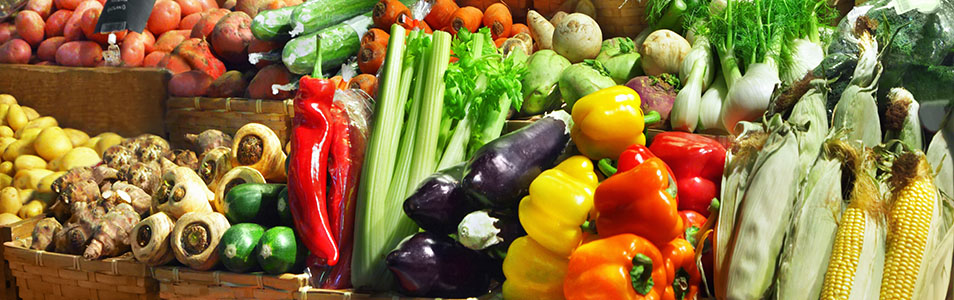
Many people think that eating healthfully means spending a fortune at the grocery store. It’s true that fresh, organic foods cost more than their conventionally grown and processed counterparts. But with thoughtful planning, smart shopping, and a bit of creativity in the kitchen, you can enjoy a nourishing, health supportive diet and stay within a reasonable budget.

Eating healthy, delicious meals is one of our core values, and we consistently make the time and effort to ensure that we eat well. There are many ways to reduce your food budget; some of our suggestions may take research and energy to implement, but you’ll find they make a significant difference in your food expenses—and you’ll be eating better than ever.

Continue reading “Eating Healthfully On A Budget”

Is Milk A Healthful Food?

dairy cows milk

Few dietary topics create as much controversy as the issue of milk. Billboards, commercials, and magazine ads (featuring celebrities with milk moustaches) encourage us to drink more milk via the influential “Got Milk?” campaign, launched by the dairy industry in 1993. Even our government promotes the heavy consumption of milk—the latest federal nutritional guidelines recommend the equivalent of 3 glasses of milk daily, either fat-free or 1% fat.

Unfortunately, the recommendations for dairy are channeled to us through the perspective of the dairy industry, and are based more on marketing schemes than on scientific research. If you didn’t already know, the dairy lobby is a powerful force, and drives the government’s recommendations.

Continue reading “Is Milk A Healthful Food?”

Enjoy Mushrooms For Better Health
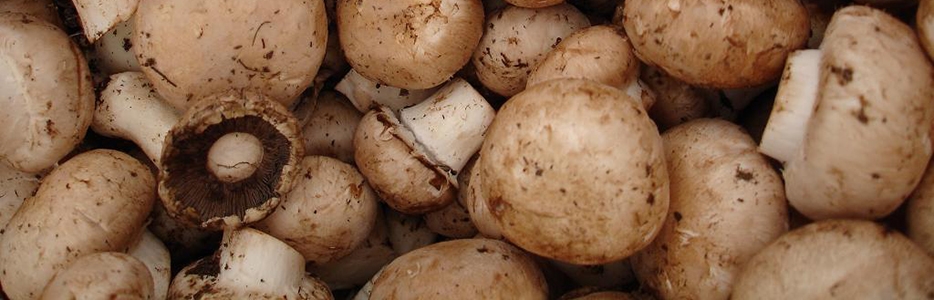
I thoroughly enjoy mushrooms—in fact, I actually crave them. It’s likely that this craving can be traced to my Italian culinary heritage—we often add mushrooms to pizza and pasta dishes, but we find them equally delicious in soups, stir-fries, and salads. In addition to the common white button mushroom, we also search for maitake, morel, oyster, portobello, shiitake, and any other unique varieties that appear at our local farmer’s market or natural foods store.

Continue reading “Enjoy Mushrooms For Better Health”

Can A Ketogenic Diet Cure Cancer?

Ketogenic Diet

I’ve recently received a number of queries from patients and practitioners who are curious about a handful of studies and anecdotal reports that indicate a ketogenic diet may help to curtail cancer growth. For those not familiar with the ketogenic diet, it’s a very low carbohydrate diet that contains moderate amounts of protein and a high percentage of fats.

I prefer to think of foods in their whole, natural forms (for example, almonds, apples, asparagus, blueberries, oatmeal, olives, potatoes, rye, and salmon) instead of in reductionist terms of carbohydrates, fats, and proteins. Keeping this in mind, the primary purpose of dietary carbohydrates is for fuel—the body converts carbohydrates via the liver into glucose, which is used for everything from powering muscles to brain function. When confronted with a lack of carbohydrates, the body switches to burning fats for energy by converting fats (again via the liver) into ketone bodies.

Continue reading “Can A Ketogenic Diet Cure Cancer?”