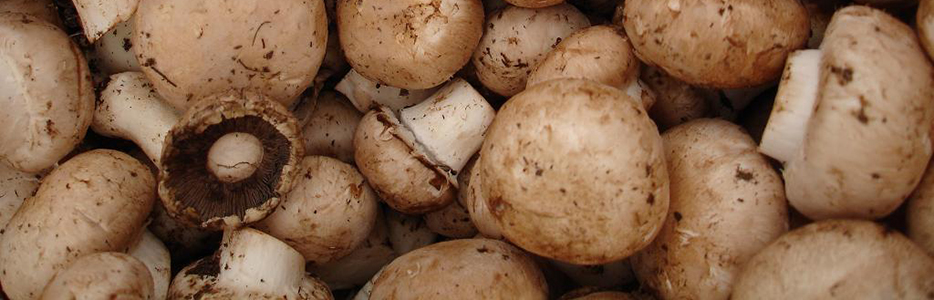
I thoroughly enjoy mushrooms—in fact, I actually crave them. It’s likely that this craving can be traced to my Italian culinary heritage—we often add mushrooms to pizza and pasta dishes, but we find them equally delicious in soups, stir-fries, and salads. In addition to the common white button mushroom, we also search for maitake, morel, oyster, portobello, shiitake, and any other unique varieties that appear at our local farmer’s market or natural foods store.
Nutrigenomics: Beyond Basic Nutrition
With the advent of a growing scientific field of study called nutrigenomics, the old adage “you are what you eat” is proving to be much more than folk wisdom. Nutrigenomics takes into consideration the relationship between diet and genetics, and identifies the beneficial or detrimental health effects of various dietary components. What researchers have discovered is that there is far more to dietary health than proteins, fats, and carbohydrates, and that simply meeting the minimum daily requirements for vitamins and minerals isn’t enough for optimal health and disease prevention.
You Can Reduce Your Risk of Cancer
The recent detailed U. S. national report on cancer (released every two years) revealed that despite the billions of dollars poured into cancer research and innovative treatments, current approaches are not delivering on their promise of a cure. In fact, progress against the disease is excruciatingly slow, and much of the decline in cancer deaths in the U. S. is the result of decreases in smoking, not cutting-edge technological treatments.
After 25 years of research and working with thousands of people with cancer, I am convinced that the search for a “magic bullet” that will cure or eradicate cancer is misguided. As long as we continue to focus primarily on eradicating cancer, we are missing the bigger picture—the terrain in which cancer evolves.